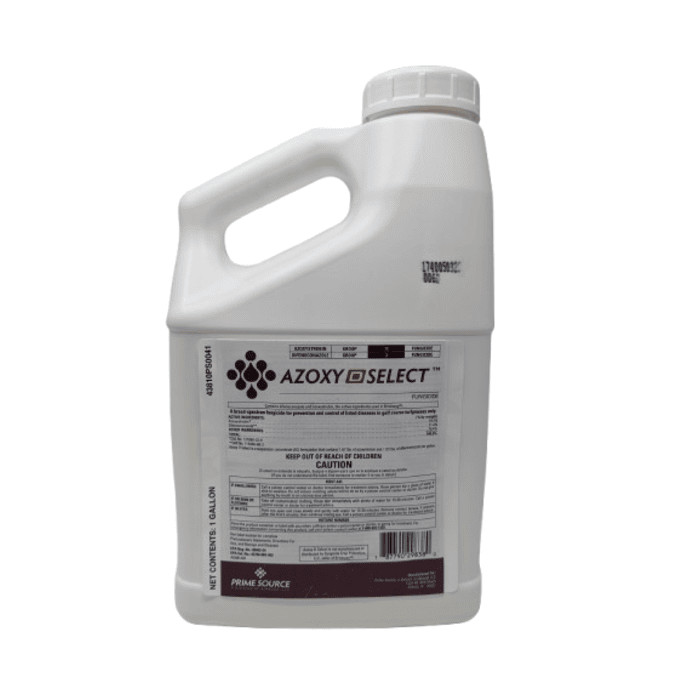
| All returns accepted | ReturnsNotAccepted |
|---|---|
| Brand | CLEARY |
| Type | Fungicide |
| EPA Registration Number | 1001-69 |
| California Prop 65 Warning | These products can expose you to Atrazine, Avermectin B1 (Abamectin), Arsenic, Bromacil, Carbaryl, Chlorpyrifos, Chlorsulfuron, 2,4-D butyric acid, DDVP (Dichlorvos), Diuron, Glyphosate, Iprodione, Malathion, Mancozeb, Myclobutanil, Naphthalene, Oryzalin, Oxadiazon, Propoxur, Propylene glycol, Pyridine, Resmethrin, Silica, crystalline, Simazine, or Warfarin which are known to the State of California to cause cancer, birth defects or other reproductive harm. |
| Formulation | Suspended Concentrate |
Check the listing for details. Cleary's 3336 Flowable Fungicide 32oz. Condition: New. Listed at 70.72 USD. Cleary's 3336F Fungicide is a professional-grade, broad-spectrum fungicide with preventative, curative, and systemic properties. It is a versatile solution for controlling a wide array of fungal diseases in various settings, including lawns, turfgrasses, ornamental plants, and more. This guide will provide detailed information on Cleary's 3336F Fungicide, its usage, application areas, targeted lawn fungus, application rates, and safety measures. What Cleary's 3336F Fungicide Is:Cleary's 3336F Fungicide contains the active ingredient Thiophanate-methyl at 41.25%, which is effective against a range of fungal diseases. It is classified as a Group 1 fungicide, meaning it inhibits the mitosis and cell division of fungal cells. This product is widely used by professionals for its efficacy and systemic action, which allows it to be absorbed by plants and provide long-lasting protection. How to Use Cleary's 3336F Fungicide:To use Cleary's 3336F Fungicide effectively, follow these steps: Identify the fungal disease affecting your plants or lawn. Read the product label thoroughly for specific mixing and application instructions. Prepare the fungicide solution according to the label directions, typically by mixing the specified amount of product with water. Apply the solution using suitable application equipment, such as a sprayer, ensuring even coverage of the affected area. Clean the application equipment after use according to the label instructions. Where to Apply Cleary's 3336F Fungicide:Cleary's 3336F Fungicide is labeled for use in various settings, including: Residential, commercial, and public lawns Golf courses and athletic fields Bedding plants, annual and perennial flowers Trees and shrubsAlways check the label for specific site applications and ensure compliance with any state or local regulations. Lawn Fungus Cleary's 3336F Fungicide Is Labeled For:This fungicide is effective against numerous lawn fungal diseases, including but not limited to: Anthracnose Brown patch Dollar spot Gray leaf spot Leaf spot Red thread Snow mold Rust Smut Fusarium Summer patch Bermudagrass decline Take-all patchConsult the product label for a complete list of controlled diseases. How Much Cleary's 3336F Fungicide to Apply:The application rate of Cleary's 3336F Fungicide varies depending on the disease being treated, the plant type, and the application method. The label provides detailed instructions on the amount of product to be used per 1,000 square feet or per gallon of water. It is crucial to adhere to the label's recommended rates to avoid phytotoxicity or insufficient disease control. Safety Precautions When Using Cleary's 3336F Fungicide:When handling and applying Cleary's 3336F Fungicide, take the following safety precautions: Wear protective clothing, including gloves, long-sleeved shirts, long pants, and eye protection. Avoid inhaling the product or getting it on your skin or in your eyes. Do not eat, drink, or smoke while handling the fungicide. Keep the product out of reach of children and pets. Store the fungicide in its original container, in a cool, dry place, away from food and feed. Dispose of any unused product and container in accordance with local, state, and federal regulations. By following this guide, users can effectively utilize Cleary's 3336F Fungicide to manage and control fungal diseases in their lawns and ornamental plants. Always remember that the key to successful disease management is accurate identification, timely application, and adherence to label instructions.
You may also like