| Restocking Fee | No |
|---|---|
| Return shipping will be paid by | Seller |
| All returns accepted | Returns Accepted |
| Item must be returned within | 60 Days |
| Refund will be given as | Money Back |
| Item | Stone tool |
| Provenance | Ownership History Not Available |
| Specific Item | Arrowhead |
| Era | Neolithic |
| Time Period Manufactured | Pre-1600 |
| Country/Region of Manufacture | Western Sahara |
| Handmade | Yes |
| Age | 3,500 to 6,000 years or more |
| Culture | African |
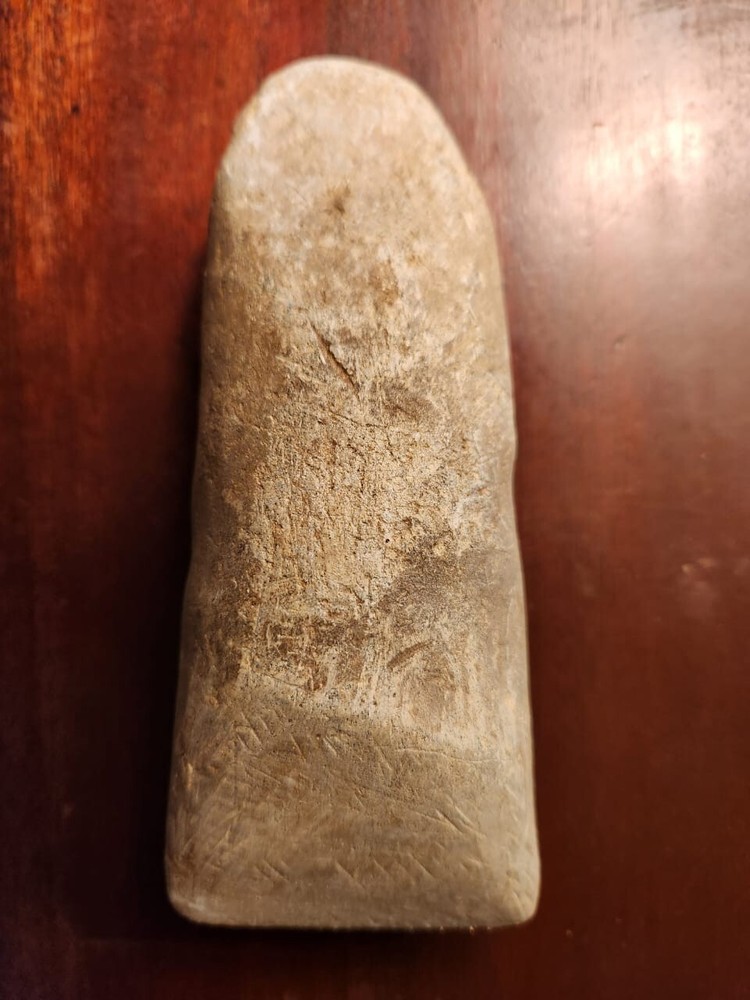
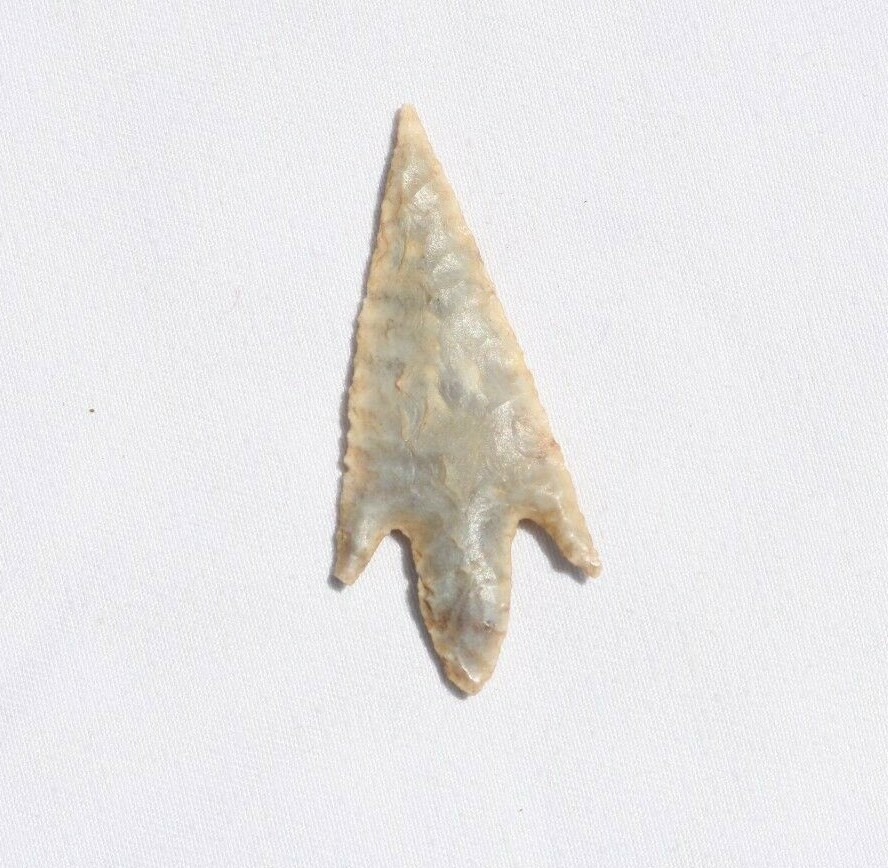
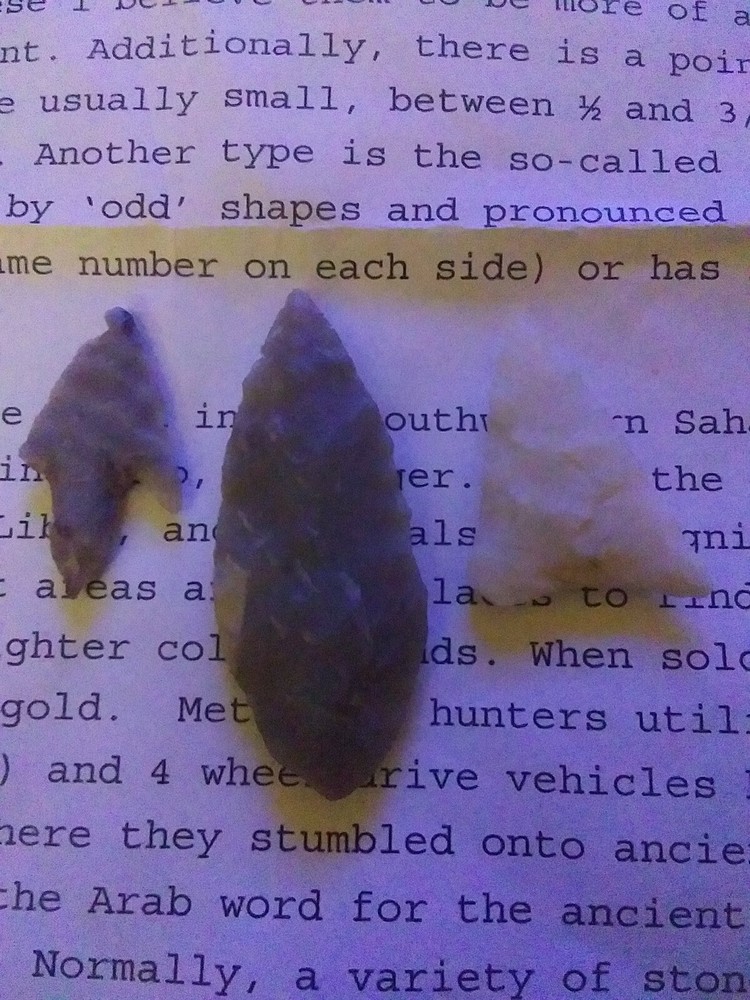
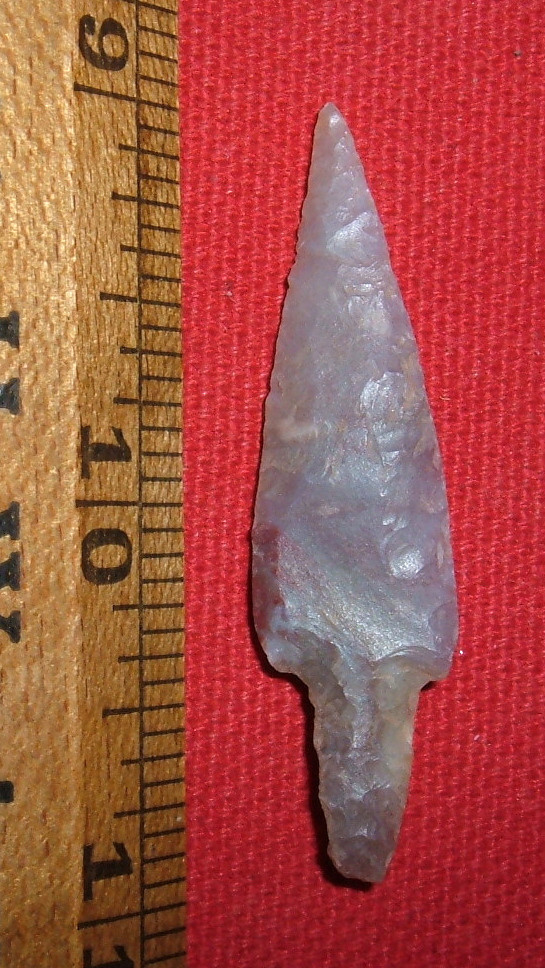
Check the listing for details. Select (2"-) Sahara Neolithic Stemmed Lance Form Point, Ancient African Artifact. Condition: Used. Listed at 25.00 USD. SELECT SAHARA NEOLITHIC STEMMED POINT. This fine ancient artifact is just shy of 2" long, 51/2" wide, 1/8" thick, and is in very good condition with nice patina, traces of desert sands, and minimal ancient damage. It was found in the western Sahara Desert of North Africa and is from the Neolithic Era (New Stone Age), which dates back 3,500 to 6,000 years ago. (I offer 1-day shipping as a matter of course, although I often ship the same day payment is received. I figure once you've paid for something, you own it, and might as well have it as soon as possible.) As with all of my artifacts, it is guaranteed authentic for life! MONEY-BACK GUARANTEE: If you are not satisfied with this item for any reason, return it undamaged within 60 days for a full refund in the US. SALES TAX: Colorado residents will be charged 8.9% sales tax. Other states that require sales tax paid for mail order purchases will be charged the applicable tax for that state. The field of Sahara Neolithic Artifacts was expanded by the advent of GPS technology for meteorite hunters in the Sahara Desert. Thousands of years ago, North Africa was a temperate environment similar to our own Great Plains. Countless generations of Stone-Age Man lived, hunted, fought and died there, leaving behind their weapons and tools. Today, North Africa consists largely of the Sahara Desert, an inhospitable area almost the size of the United States. Constantly shifting sands and the ability to now safely travel off of established trade routes have expanded this fascinating field of study by making these artifacts available to scholars and collectors around the world.
You may also like